
Our News
Mark Meets: The Congolese Association of Merseyside
This year, our volunteer Mark O’Shaunessy spent time visiting community groups across our region, meeting the leaders who are making a real difference to the lives of local people. Their insight is invaluable to our team, helping us understand their strengths, challenges, hopes for the future – and how we can do more to help.
His first visit to highlight is to The Congolese Association of Merseyside in Bootle where he met with Director Petronelle Moanda, who shared the story behind the organisation and the work they are delivering.

Supporting those who are marginalised or excluded
Formed in 2004, the Association was established to address the challenges – particularly language barriers – faced by the Congolese and wider African community when integrating into the UK. Over time, it has evolved to support people of many other nationalities, including British citizens, and now works with anyone who finds themselves marginalised or excluded.
A significant part of their work is supporting asylum seekers through their applications and beyond, once they have been granted the right to remain. Although based in Bootle, around 60% of clients travel from Liverpool.
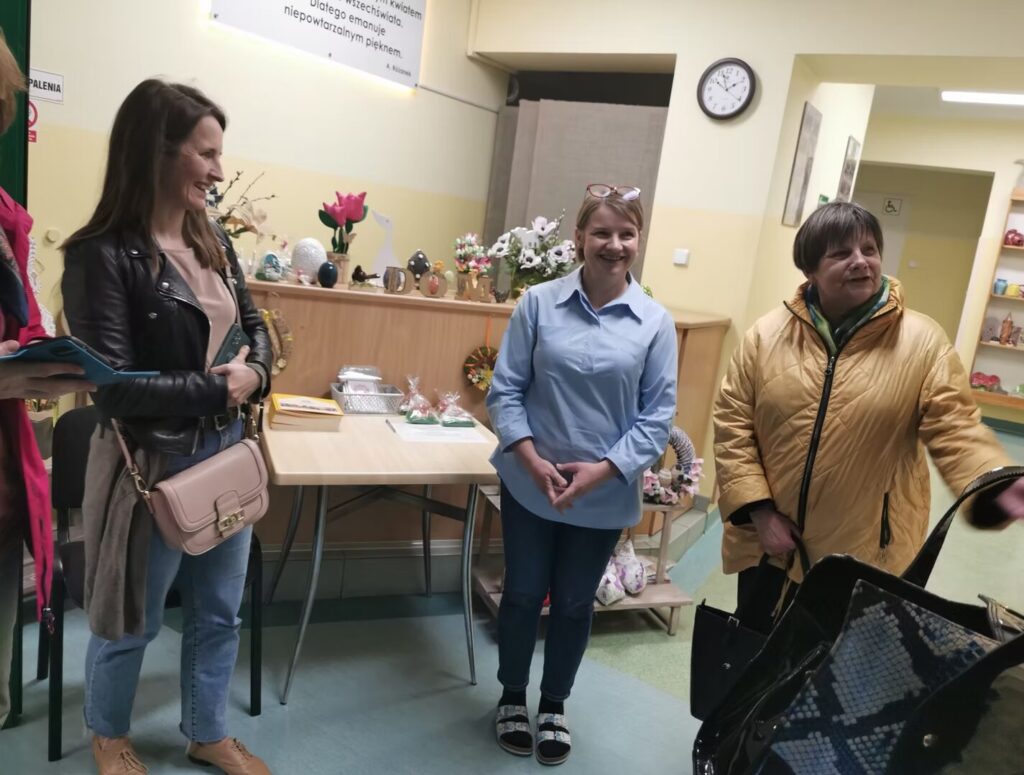
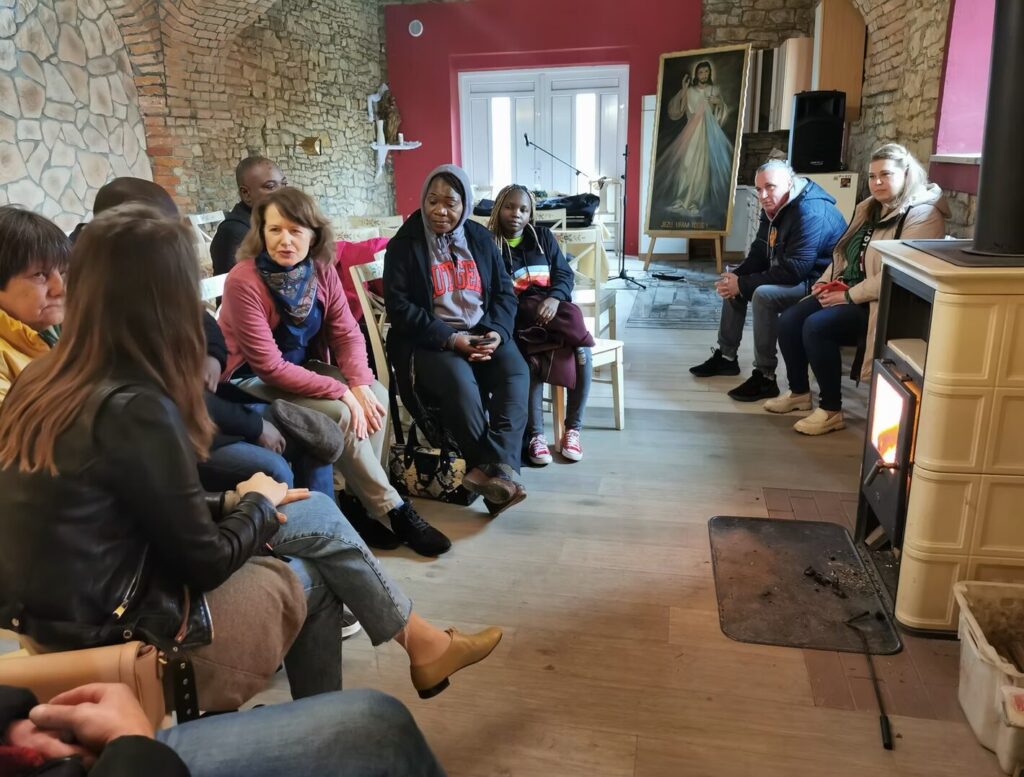
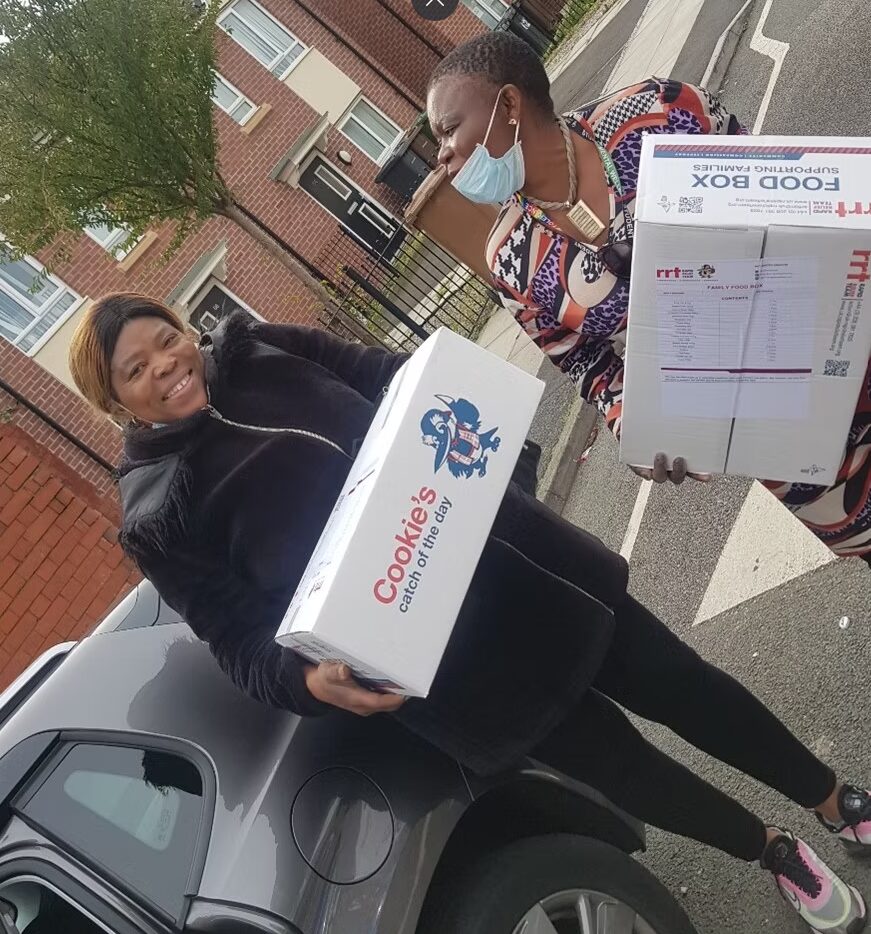
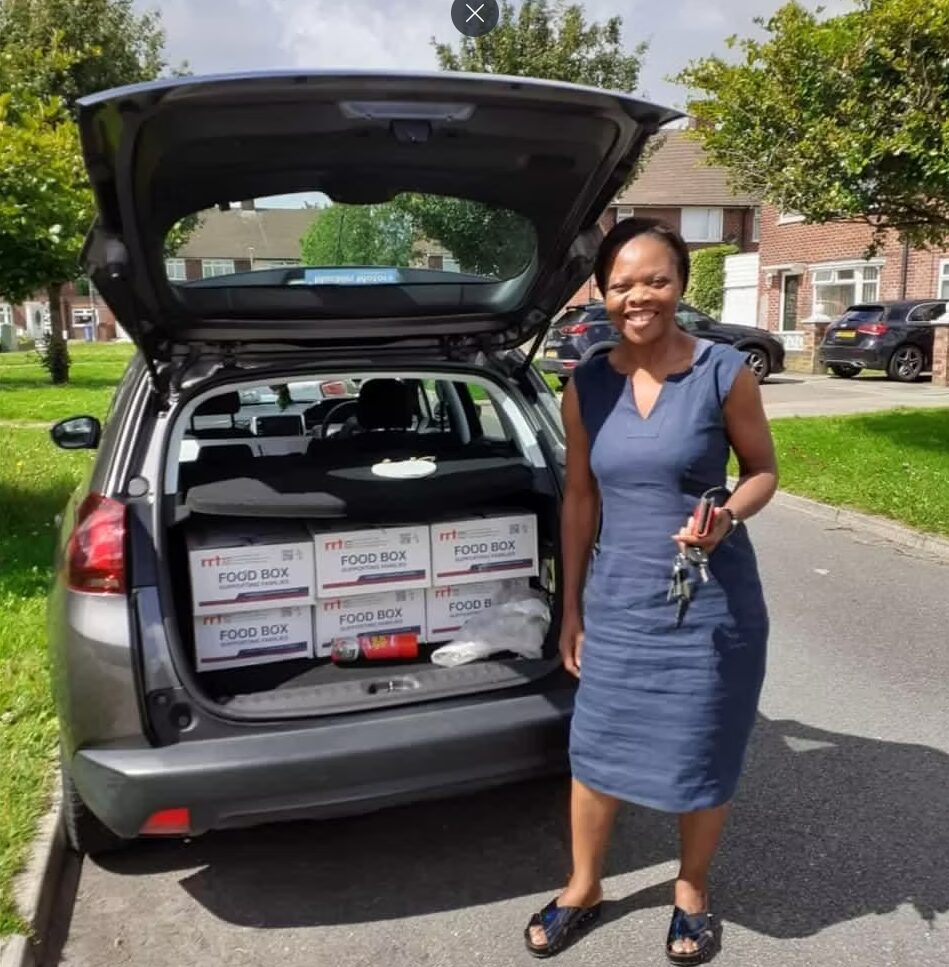
From their centre, Empreinte, and through extensive outreach work, individuals can access multilingual information, translation, advice and guidance, and referrals to professional services covering immigration, housing, benefits, volunteering and employment. Their team of 15 staff and volunteers regularly visit individuals who are housebound, in hospital or in prison, arranging emergency food deliveries, energy vouchers and prescriptions where needed.
Inside the centre is an IT suite offering basic computer literacy training, ESOL lessons, employability support and free scanning and photocopying. The team also work to build community cohesion by organising social events, trips, networking and community consultation.
Strength rooted in lived experience
Like many charities, funding remains the major challenge. Petronelle estimates it costs around £75k a year to run the centre. Grants from Sefton and Liverpool Voluntary Services, and support from Lloyds Bank and John Moores University, certainly help – but it remains difficult to offer the full range of services the team know their community needs.
Housing is a particularly acute issue. Families granted ‘right to remain’ status must leave asylum accommodation within 28 days, often ending up in hostels or private rented accommodation that is too small. At the same time, they must register with a GP, find suitable schools and access benefits. Language barriers make an already stressful situation even more complex, and pathways to employment or volunteering become challenging.
Looking ahead: ambitions for the future
The Association has many aspirations for the future. Currently, Assy works as an administrative assistant for 16 hours a week, with 10 of those paid. The team would love to employ her full-time, recognising the value she brings.
They are also working towards buying a house to use as temporary accommodation for families experiencing homelessness, with space for four families. This would be a meaningful step in addressing the shortage of suitable housing for newly recognised refugees.
Giselle, another team member, delivers language classes on Wednesdays and Thursdays, and the Association hopes to expand both these sessions and its IT training to meet rising demand.
A long-held dream is to secure a dedicated building for the Congolese community, ideally through a Community Asset Transfer. Bringing all their services under one roof would, Petronelle tells me, be instrumental in strengthening cohesion and helping the community to thrive.
How we – and our funders – can help
The Congolese Association truly appreciate the Foundation’s visits and interest. They would welcome deeper engagement, particularly support with their website and accessing grants. Their openness and commitment is striking, and their insight will continue to help us understand how best to support the communities we serve.